
The 4 luxury golf destinations in Europe that the most discerning travelers are choosing
For those who understand golf as more than just a game, the destination matters as much as the course. The most discerning golf travelers no longer seek only immaculate courses: they seek complete experiences that combine sporting excellence, exceptional hotels, memorable cuisine, and unforgettable settings.
Europe boasts some of the most exclusive settings for this style of travel. From legendary coastlines to less obvious corners reserved for those who value authenticity, service, and understated luxury, these are five destinations that are captivating golf lovers who know that a great trip begins long before the first tee.
1. Scotland — The luxury of tradition
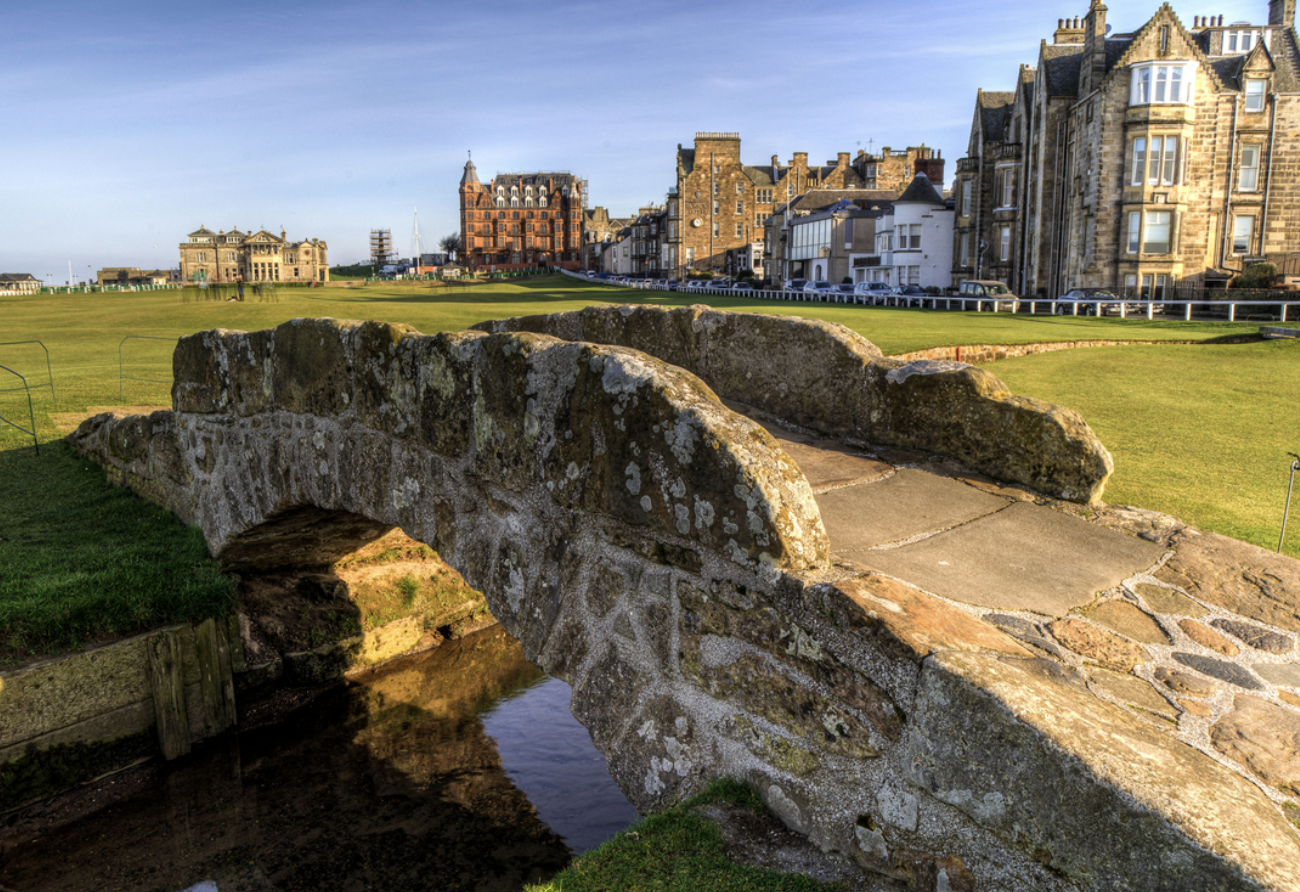
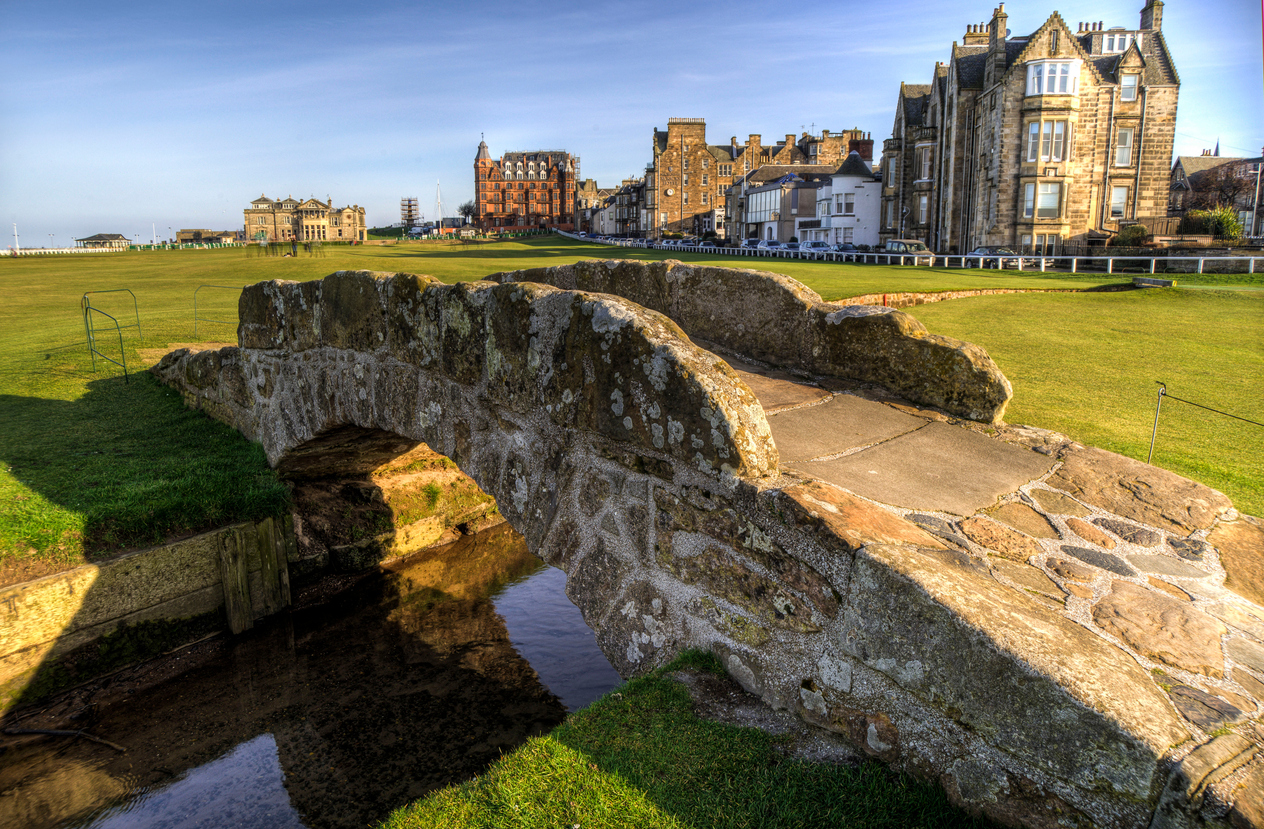
Scotland remains one of the world’s most sought-after luxury golf destinations because it offers something few places can match: authenticity, history, and pure exclusivity. For many golfers, playing on its legendary links is not just about practicing a sport, but about being part of the birthplace of golf. This is complemented by a selection of historic hotels, top-tier accommodations, spectacular scenery, and service designed for discerning travelers seeking memorable experiences beyond the course. In Scotland, every round is accompanied by tradition, hospitality, and a feeling difficult to replicate in other destinations, making the trip much more than just a golf holiday. Discover the luxury trip to Scotland that Golf in Green Destination offers for your next golf vacation.
2.Biarritz: Atlantic elegance and golf with a European soul
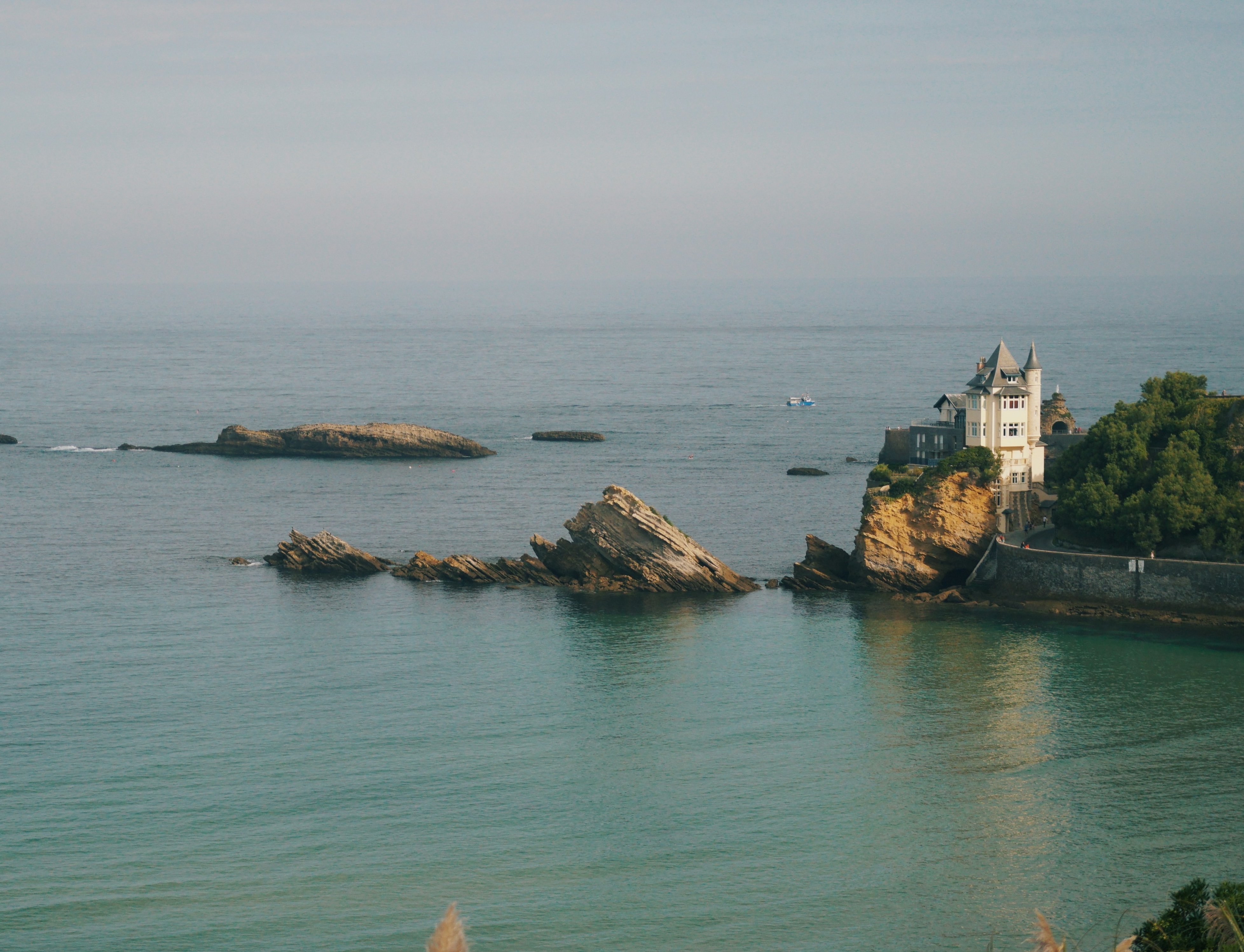
Biarritz has established itself as one of Europe’s most exclusive golf destinations thanks to a rare combination: golfing tradition, understated sophistication, and a prime location overlooking the Atlantic. This corner of the French Basque coast attracts travelers seeking much more than just long rounds: charming hotels, refined cuisine, boutiques, wellness, and an elegant atmosphere far removed from ostentatious luxury. Its historic golf courses, some of the most prestigious on the continent, are nestled within an exceptional natural and cultural environment, where each day offers the opportunity to combine sport, fine dining, and lifestyle. For many discerning travelers, Biarritz embodies a way of traveling where golf is experienced with tranquility, personality, and authentic European flair. Explore our exclusive golf experience in Biarritz.
3. Northern Spain / Basque Country: discreet luxury that wins over the most discerning golf travelers
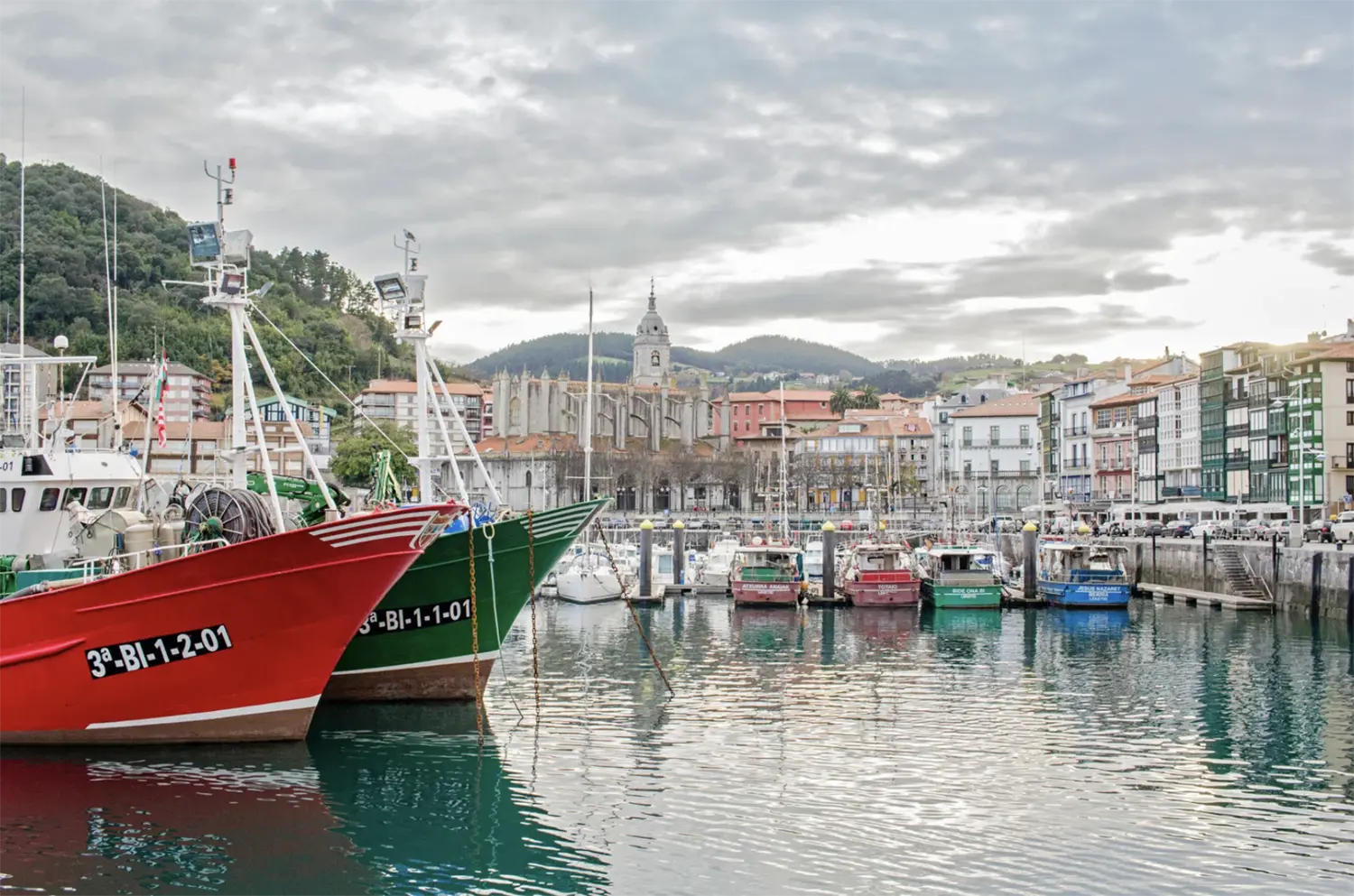
Northern Spain is establishing itself as one of the most attractive golf destinations for those seeking an exclusive, authentic experience away from the crowded circuits. Here, luxury is not measured solely by the quality of the courses, but by the combination of spectacular landscapes, world-class cuisine, hotels with character, and a culture deeply rooted in enjoying time and things done well. From the Atlantic coast to cities with exceptional culinary offerings, golf is seamlessly integrated into a sophisticated trip where every detail matters. For the most seasoned travelers, Northern Spain represents a different way of experiencing golf: more authentic, more leisurely, and extraordinarily memorable. Discover the new benchmark for luxury golf in Northern Spain and the Basque Country with the premium “Michelin Stars” trip
4. Sicily and Tuscany: golf, the art of living and Mediterranean luxury
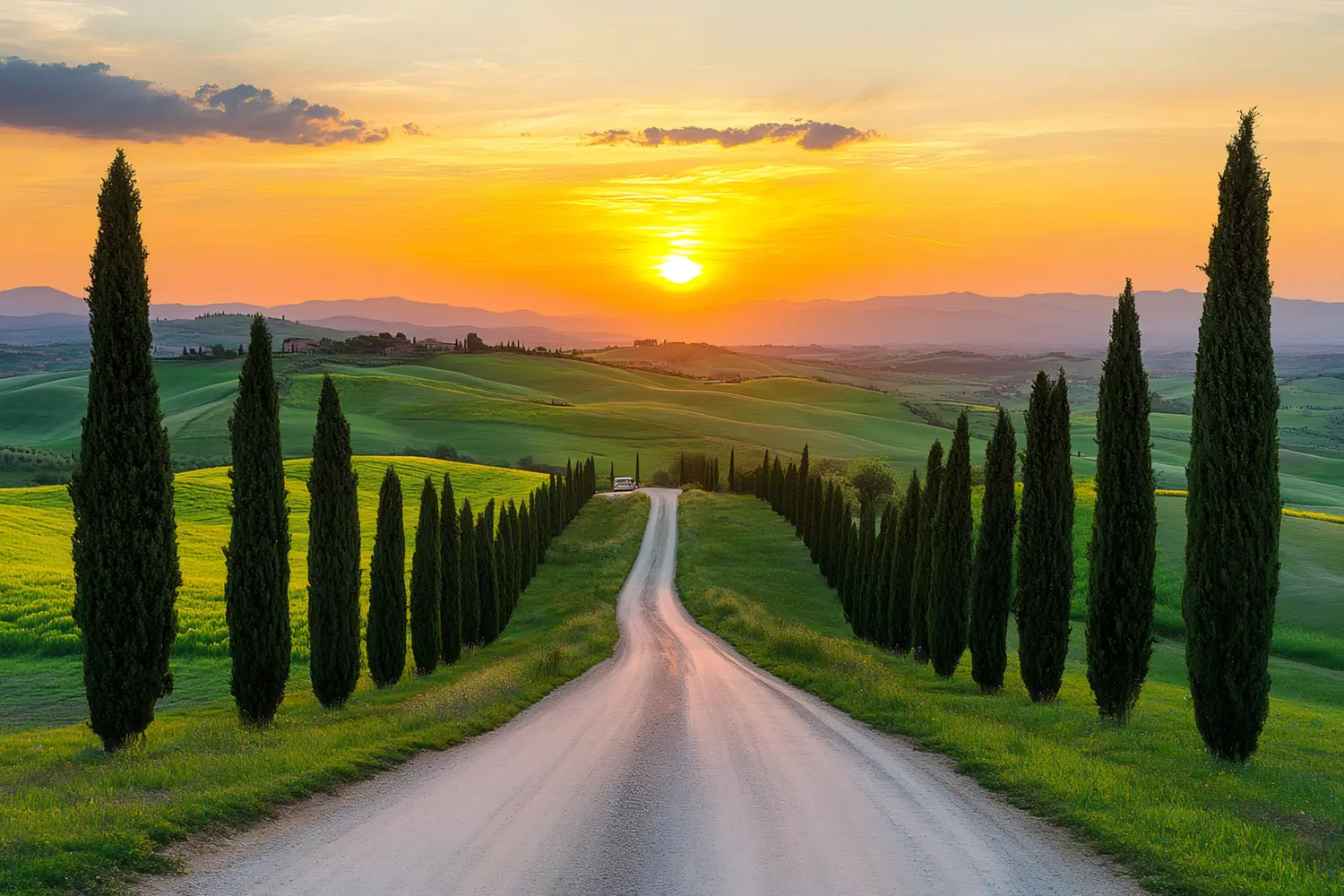
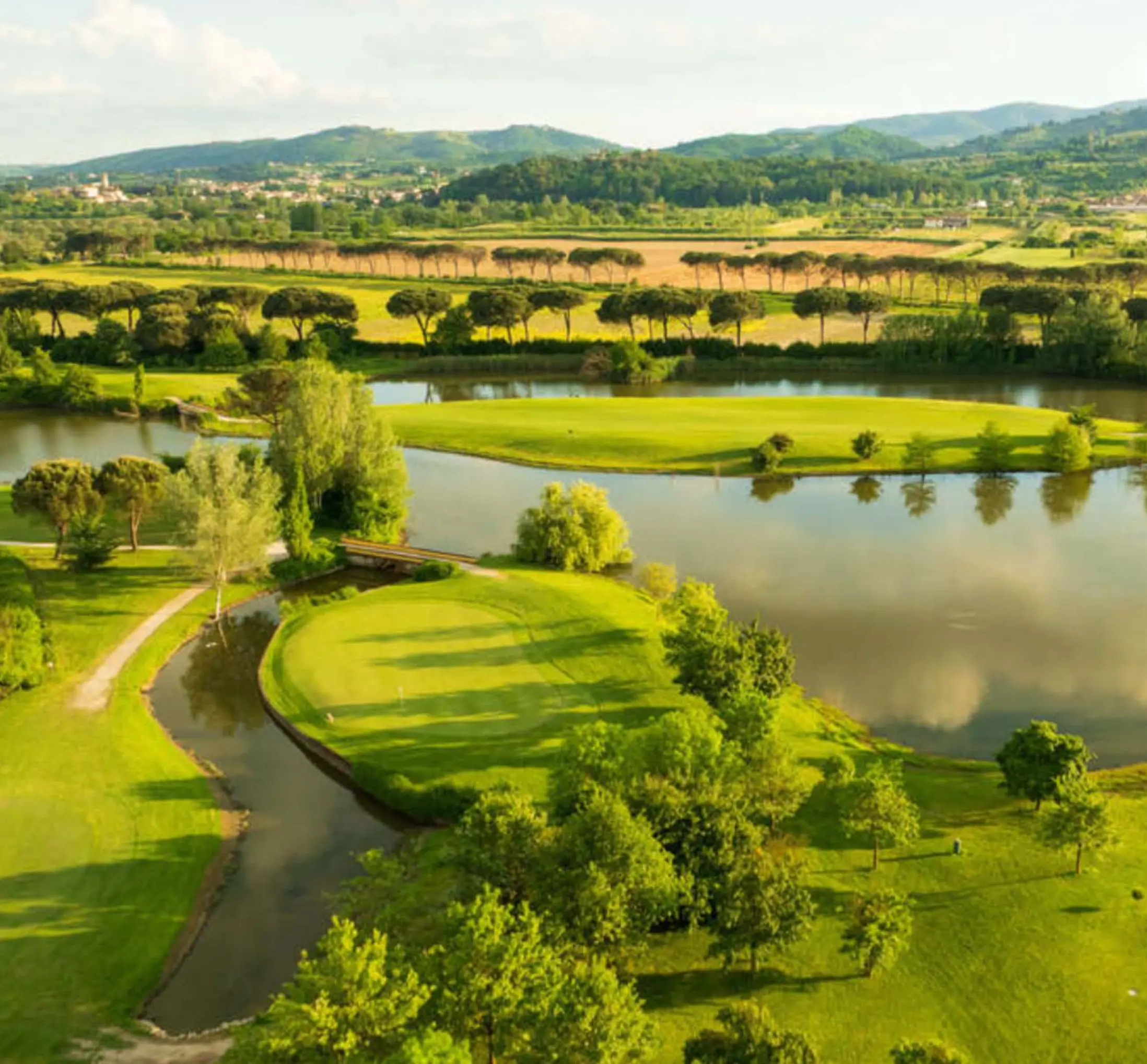
Sicily and Tuscany attract discerning golf travelers with their ability to combine exceptional playing experiences with some of the finest pleasures of the Mediterranean lifestyle. Beyond the courses, these destinations offer extraordinary landscapes, world-class hotels, unparalleled cultural heritage, and a gastronomy that makes every day an experience in itself. Among vineyards, historic hills, dramatic coastlines, and charming villages, golf becomes an integral part of a journey where the pace is more relaxed and enjoyment takes center stage. For those who understand luxury as authenticity, beauty, and memorable experiences, Sicily and Tuscany represent a unique and sophisticated way to travel around golf. Embark on the cruise and enjoy the extraordinary golf experience in the Mediterranean. Golf Destination also offers you a premium golf trip to Tuscany.